Here's what the toothpaste commercials don't tell you: the reason you get cavities, bad breath, and gum disease isn't that you're not brushing hard enough. It's that your oral microbiome is out of balance. The wrong bacterial species have taken over — and they're the ones producing acid that destroys enamel, releasing volatile sulfur compounds that cause odor, and triggering the inflammatory cascade that leads to periodontitis.
You can't out-brush a dysbiotic oral microbiome. But you can rebuild it — systematically and deliberately.
This guide covers exactly how to fix your oral microbiome — not with harsher mouthwash or more scrubbing, but by learning how to improve your oral microbiome at the bacterial level: increasing good bacteria in your mouth and building up the oral flora that defends your teeth and gums from the inside out.
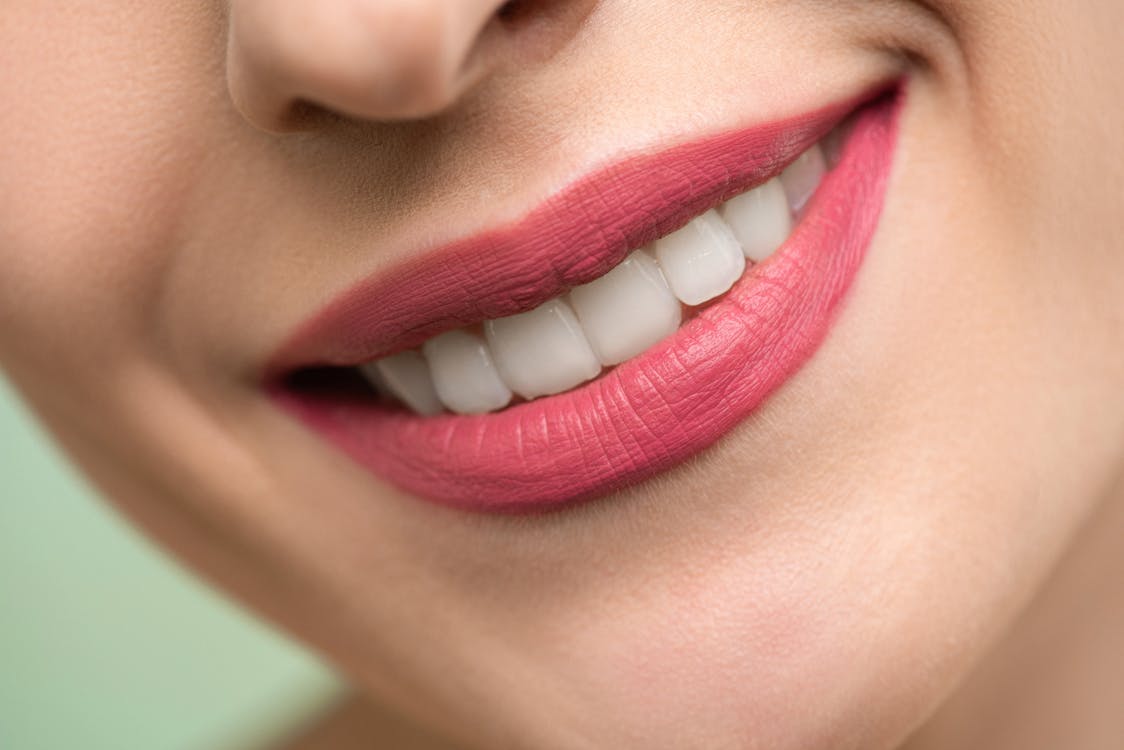
Photo by Shiny Diamond / Pexels
5 Healthy Oral Microbiome Tips (Evidence-Based)
1 Introduce Oral-Specific Probiotics
This is the most powerful lever you have — and the most underused. Most probiotic supplements target the gut. But the oral microbiome is a completely separate ecosystem that requires specific bacterial strains to rebalance. The two most studied are Streptococcus salivarius K12 (produces BLIS K12, which crowds out odor-causing bacteria) and S. salivarius M18 (produces enzymes that break down plaque and reduces Streptococcus mutans — the main cavity-causing bacterium).
A 2019 randomized controlled trial found that K12 supplementation reduced bad breath scores by 85% after 14 days. M18 has been shown in multiple trials to significantly reduce dental plaque and cavity-causing bacterial counts.
- Streptococcus salivarius K12: for breath and pathogen competition
- Streptococcus salivarius M18: for plaque and cavity prevention
- Take as a dissolving tablet or lozenge — NOT swallowed capsule (needs oral contact)
- Take at night after brushing for maximum colonization time
- Consistency matters: 30+ days to see microbiome shift
2 Use Xylitol Strategically
Xylitol is a sugar alcohol that S. mutans (the cavity bacterium) absorbs but cannot metabolize — meaning it starves the bacteria of fuel without feeding it. Studies show 6–10g of xylitol daily, spread across 3–5 exposures, reduces S. mutans counts by up to 50% over 4 weeks. The key is frequency of exposure, not total amount — chewing gum 3x/day after meals beats one large dose.
- Target 6–10g xylitol/day across 3–5 separate exposures
- Xylitol gum (2g/piece) after meals works extremely well
- Xylitol mouth rinse as a daily practice
- Avoid sorbitol-first products — sorbitol does not have the same antibacterial effect
3 Support Gum Health with Anti-Inflammatory Nutrients
Bleeding gums aren't a brushing problem — they're an inflammation problem. Gingivitis and periodontitis are driven by the same chronic inflammatory pathways as systemic conditions. If your diet is high in inflammatory foods, your gums will reflect it. Conversely, key nutrients have been shown to directly reduce gingival inflammation.
- Vitamin C: 500–1,000mg/day — required for collagen synthesis in gum tissue
- Vitamin D3: 2,000–4,000 IU/day — VDR receptors in gum tissue; deficiency linked to periodontitis
- CoQ10 50mg: local antioxidant in gum tissue — well-studied for gum inflammation reduction
- Zinc 25mg: supports wound healing and antimicrobial activity in saliva
4 Address the Gut-Oral Axis
Your gut and oral microbiomes are connected via bacterial migration (you swallow 1 trillion bacteria a day from your mouth). An unhealthy gut microbiome often shows up as oral symptoms — inflammation, susceptibility to oral infections, and even changes in saliva composition. Conversely, harmful oral bacteria that get swallowed can colonize the gut and contribute to digestive issues. If you're struggling with persistent oral issues, gut repair may be a missing piece.
- Broad-spectrum probiotic (gut-targeted) alongside oral-specific probiotics
- Reduce sugar and refined carbs — feeds harmful bacteria at both sites simultaneously
- Fermented foods (yogurt, kefir, kimchi) support both microbiome layers
- L-Glutamine 5g supports gut lining integrity, reducing bacterial translocation
5 Optimize Your Sleep for Oral Recovery
Your mouth is more vulnerable at night than during the day. Saliva production drops to near-zero during sleep — and saliva is your natural antibacterial defense. It neutralizes acid, remineralizes enamel, and maintains the pH balance that keeps harmful bacteria from proliferating. Poor or insufficient sleep quality disrupts saliva production cycles and elevates cortisol, which increases systemic inflammation including in gum tissue.
- Brush and floss before bed — plaque forms fastest during low-saliva periods
- Apply oral probiotic lozenge after final brushing
- If you mouth-breathe at night: address snoring, use a humidifier, or try nasal strips
- Magnesium glycinate 300mg supports deeper sleep and reduces cortisol elevation

Photo by Miriam Alonso / Pexels
Ready to Find the Best Dental Supplement for Your Situation?
We reviewed 9 oral health supplements on probiotic strain specificity, vitamin co-factors, and clean formulations. Only 3 made the cut.
See Best Dental Supplements →Oral Microbiome Whitening: Why Fixing Your Bacteria Affects Tooth Color
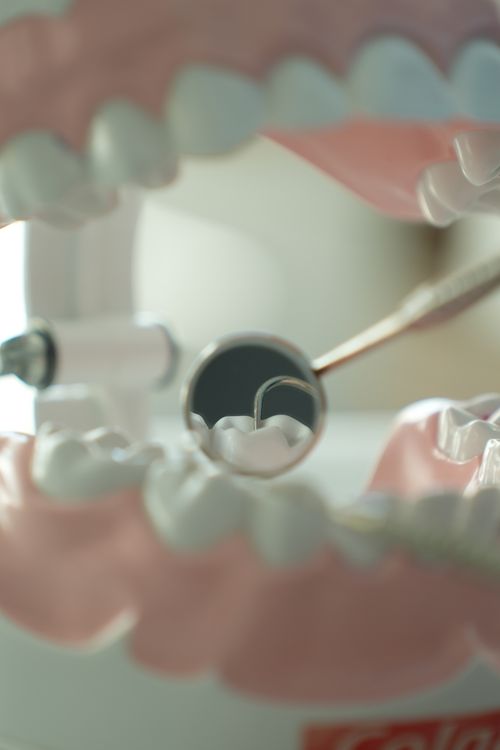
Photo by Buselliyy / Pexels
An underappreciated benefit of rebuilding your oral microbiome is its effect on enamel brightness. Streptococcus mutans and other acid-producing bacteria erode enamel over time, making teeth appear yellower and more porous — which accelerates staining from coffee, tea, and red wine. When you successfully increase good bacteria in your mouth and crowd out the acid producers, you support a form of natural whitening from within.
- Less acid erosion means enamel stays denser and more light-reflective (brighter appearance)
- S. salivarius M18 produces dextranase enzymes that break down the biofilm matrix bacteria use to adhere to tooth surfaces — reducing surface staining
- Malic acid (found in some oral probiotic formulas) gently lifts surface stains without bleaching agents
- Improved saliva flow remineralizes micro-erosions before they deepen and darken
- Reduced gum inflammation means a healthier gum line that frames your smile better overall
This is not a replacement for whitening treatments if you want fast, dramatic results. But if you're focused on long-term enamel health and a natural brightness boost, building up your oral flora and rebalancing the bacterial ecosystem is the foundational step most protocols miss entirely.
The Bottom Line: How to Improve Your Oral Microbiome
Knowing how to improve your oral microbiome comes down to working with your bacterial ecosystem, not against it. You need to actively increase good bacteria in your mouth by introducing the right strains (K12 and M18), use xylitol to starve cavity-causing bacteria, address the underlying inflammatory and nutritional factors that make your gums vulnerable, and support the gut-oral connection that most people overlook. Follow these healthy oral microbiome tips consistently and you'll build up oral flora that actively defends your teeth — not just manage symptoms.
If you want a supplement that combines oral-specific probiotics with supporting nutrients, our best dental supplements guide covers exactly what to look for — and what the marketing doesn't tell you.